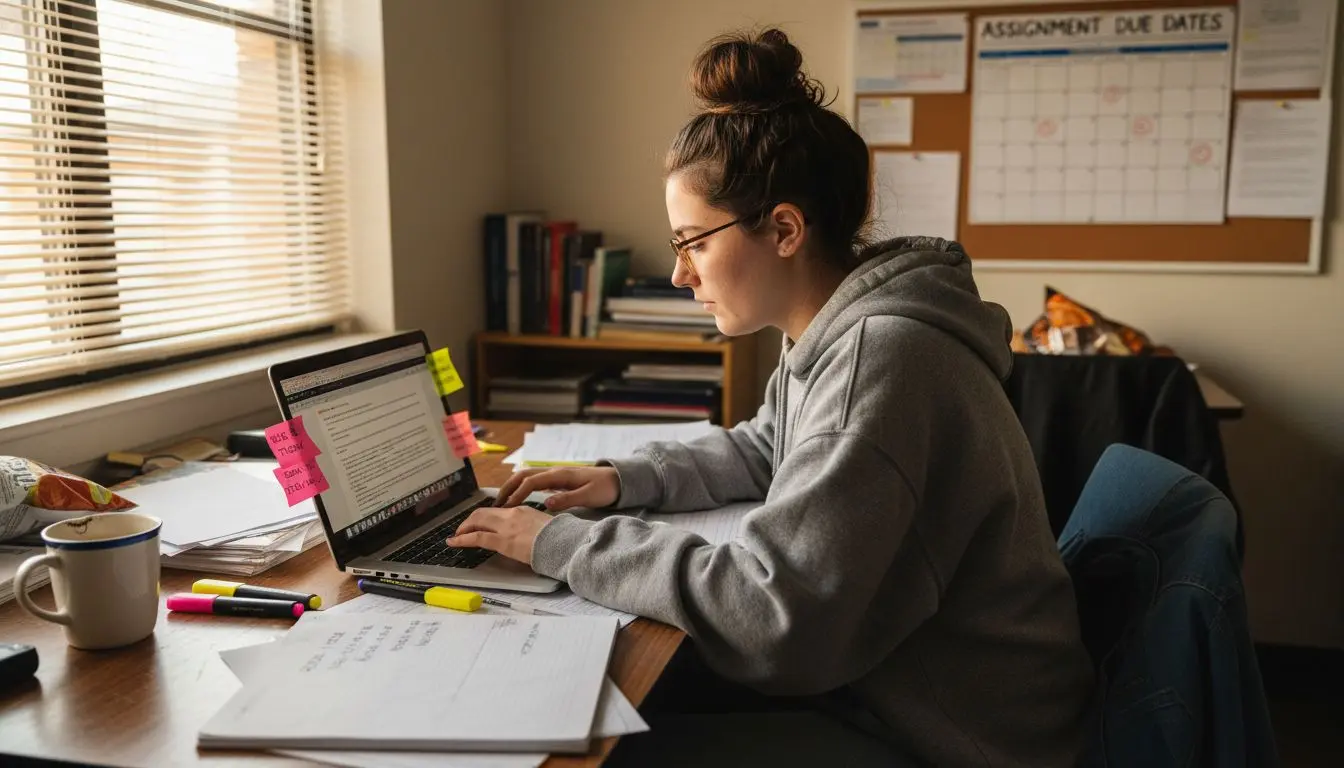
You’ve spent months writing your thesis. You submit it for a check, and your heart sinks—the report shows 25% similarity.
In Indian academia, the University Grants Commission (UGC) is uncompromising. Under the latest regulations, the similarity index for a core thesis must often be below 10%. Anything higher, and your thesis can be rejected outright, or worse, you could face disciplinary action.
Many scholars panic and try to use “article spinner” software to fix it, resulting in garbage sentences that make no sense.
At PhD India, we specialize in Manual Plagiarism Removal. Here is how to fix your percentage the right way.
1. Understanding “Unintentional Plagiarism”
Most PhD scholars don’t cheat. High scores usually happen because:
- Definitions: You can’t change the definition of a standard scientific term, so it gets flagged.
- Common Phrases: Phrases like “The results of this study indicate that…” appear in thousands of papers.
- Self-Plagiarism: You reused text from your own previously published papers (which is still a violation unless cited correctly).
2. Why “Spinbots” Are Dangerous
Free online tools simply replace words with synonyms. They turn “The sun rises in the east” into “The star ascends in the orient.” It sounds ridiculous, and examiners catch it immediately. Your thesis must sound academic, not robotic.
3. The Art of Technical Paraphrasing
Our subject-matter experts rewrite your content manually. We read the paragraph, understand the core scientific argument, and then rewrite it from scratch using different sentence structures and vocabulary—while keeping the technical meaning 100% accurate.
4. Handling Quotes and Citations
Sometimes, you must use the exact words of an author. In these cases, proper citation is your shield. We check your entire bibliography to ensure that every direct quote is properly indented and referenced (APA/MLA), which tells the plagiarism software to “ignore” that section legally.
5. The Final Turnitin Check
We don’t guess. We use the same enterprise-grade Turnitin or DrillBit software that your university uses. We provide you with a “Before” and “After” report, so you can see exactly how your score dropped from 25% to 8% before you submit to your guide.
Conclusion
A high plagiarism score isn’t the end of the road—it’s just an editing challenge. But it requires a human touch, not an automated bot.